So What Does HR Actually Do? (A Job Description Nobody Reads Until They’re Angry.)
By: Becky Johnson, Consultant
Last time, we talked about why HR has the reputation of a substitute teacher nobody respects — present, technically in charge, universally side-eyed. Fair enough. But reputation aside, somebody has to actually answer the question: what is HR for?
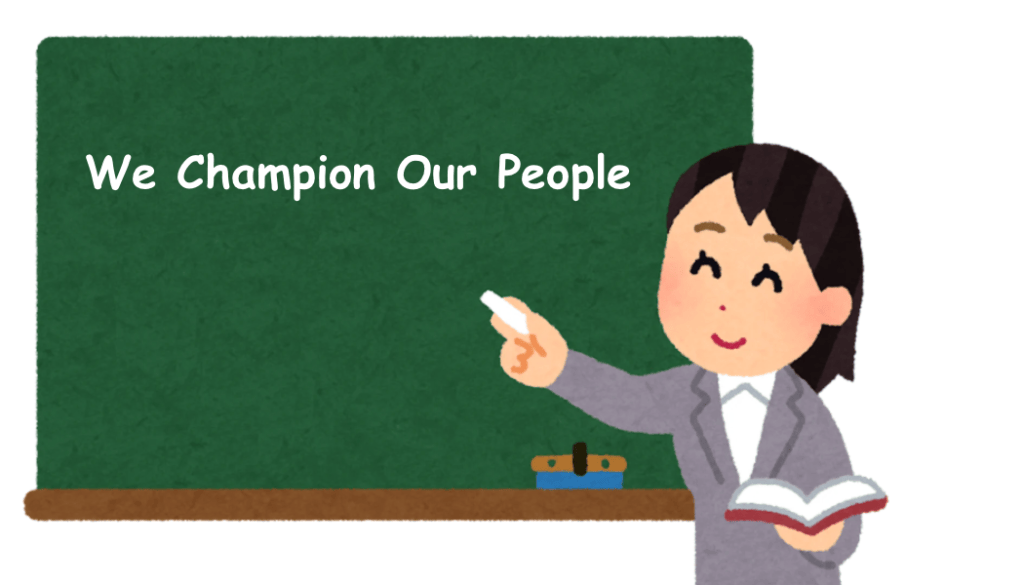
Not the mission-statement version. Not “we champion our people” printed in Comic Sans on a breakroom poster. The actual, unglamorous job.
Here’s the brutal truth: HR has three bosses, and only one of them is you.
- Risk Management (Wearing a Friendly Sweater)
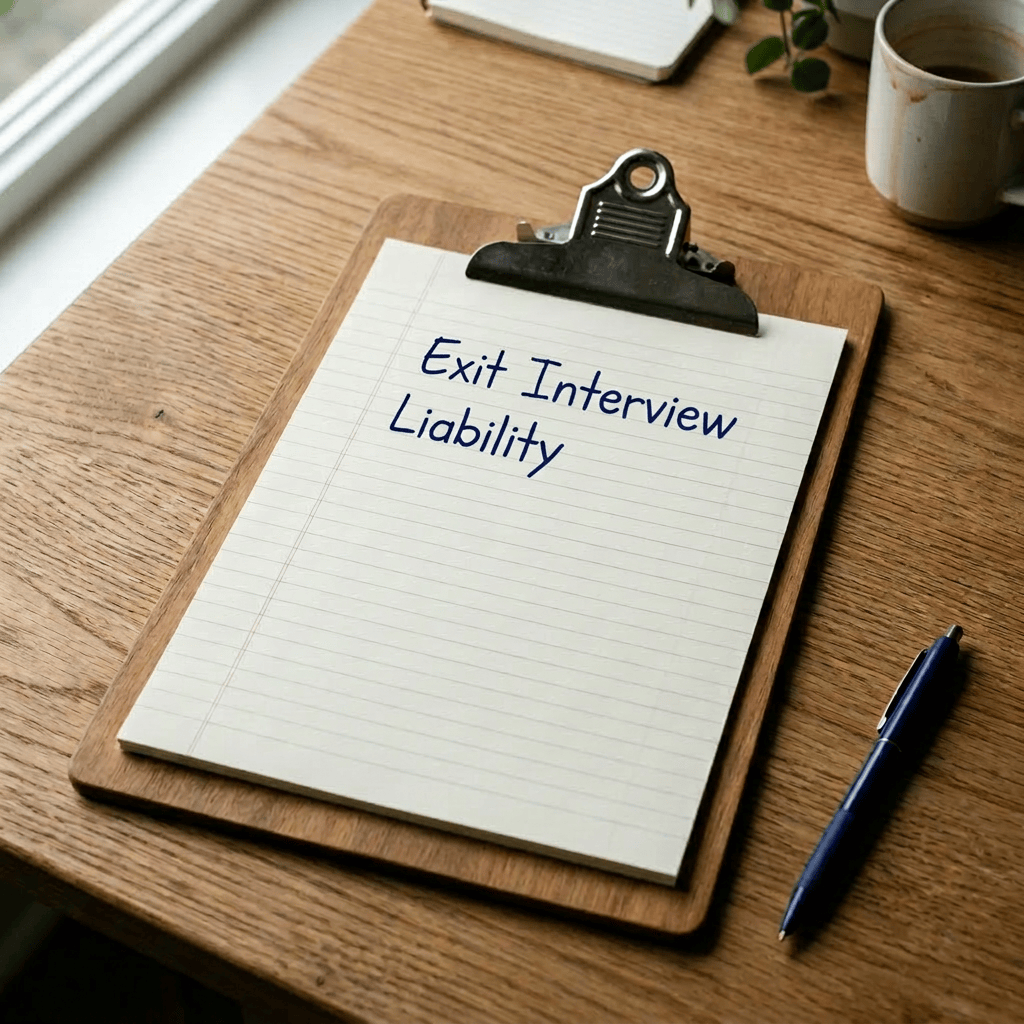
A shocking amount of HR’s real job is keeping the company out of court. Every policy, every training video, every “let’s put that in writing” moment exists because somewhere, at some point, a company got sued for not having it. The exit interview isn’t really about your growth as a person — it’s a liability checkpoint with a clipboard.
This doesn’t mean HR doesn’t care. It means caring is not actually in the job description. Compliance is.
- Keeping the Machine Fed
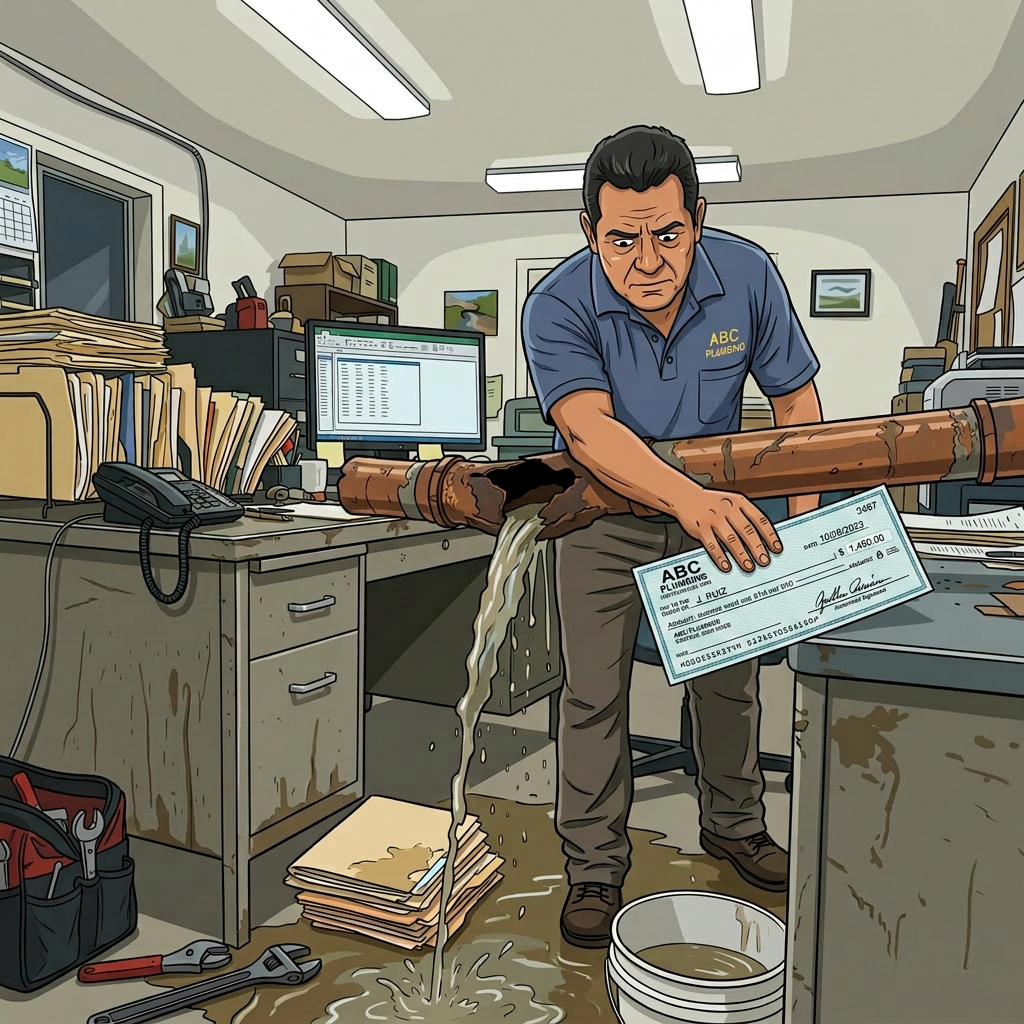
Payroll. Benefits enrollment. Onboarding paperwork. The unglamorous plumbing of a company runs through HR, and — like plumbing — nobody thinks about it until it stops working. You don’t think about HR when your paycheck lands on time. You absolutely think about HR when it doesn’t.
This is the part of the job that’s genuinely, unambiguously for you. It’s also the part that gets zero credit, because smooth operations are invisible by design.
- Translating Leadership to Humans (and Vice Versa)
HR sits in the extremely uncomfortable middle seat between “what the executives want to do” and “what will actually make employees quit.” Layoffs, return-to-office mandates, new performance review systems — HR usually didn’t design these decisions, but they’re the ones who have to deliver the memo and absorb the reaction.
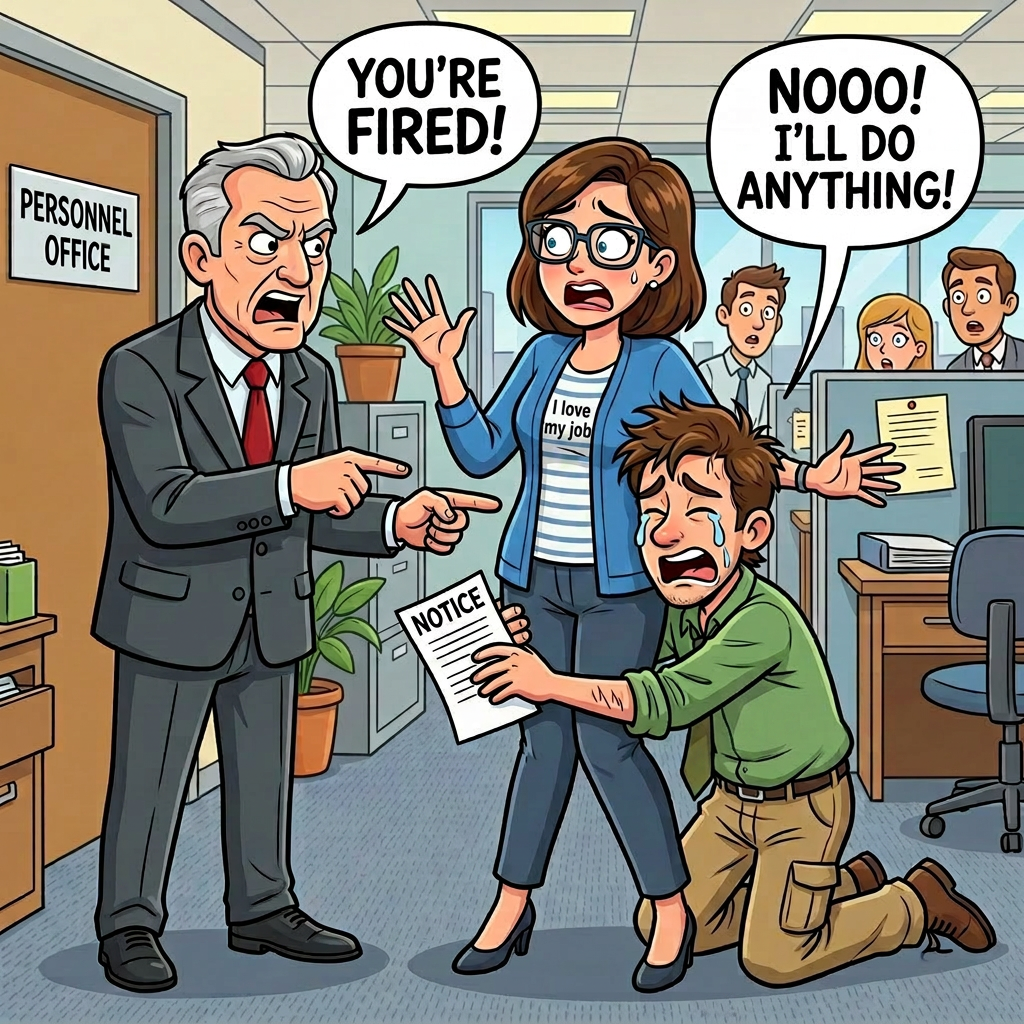
This is also why HR language is so maddeningly vague. It’s not incompetence. It’s a team trying to communicate a decision they didn’t make, in a way that won’t get the company sued, while still sounding human. That’s an almost impossible writing assignment, and it shows.
So Who Is HR Actually Working For?
The company. Genuinely, structurally, on the org chart — the company. Good HR tries to make that overlap with “the employees’ best interests” as often as possible, because a workplace where people trust HR is a better-functioning workplace. But when push comes to shove, HR’s paycheck comes from the same place yours does, and their performance review depends on protecting the business, not protecting you personally.
Knowing this isn’t cynical. It’s just accurate. And honestly? Once you stop expecting HR to be your therapist or your advocate, and start treating them like what they are — a mix of compliance officer, operations team, and organizational translator — the relationship gets a lot less confusing.
Great HR doesn’t pretend this tension doesn’t exist. It’s upfront about it. That’s the difference between an HR team you dread and one you actually trust.

Becky Johnson is not a legal advisor. She is an about to be retiree. She holds a Masters in Business in Human Resources, provides educational courses on Human Resources and has over 28 years investigating claims of civil rights.
Next up: what “good HR” looks like in practice — and why it’s rarer than it should be.


Leave a comment