What Good HR Actually Looks Like (Spoiler: It’s Not the Pizza Party)
By: Becky Johnson, Consultant
We’ve established that HR answers to the company, not to you, and that this isn’t some scandalous conspiracy — it’s just the job. So here’s the harder question: if HR isn’t your friend, your therapist, or your union rep, how does good HR actually earn your trust?
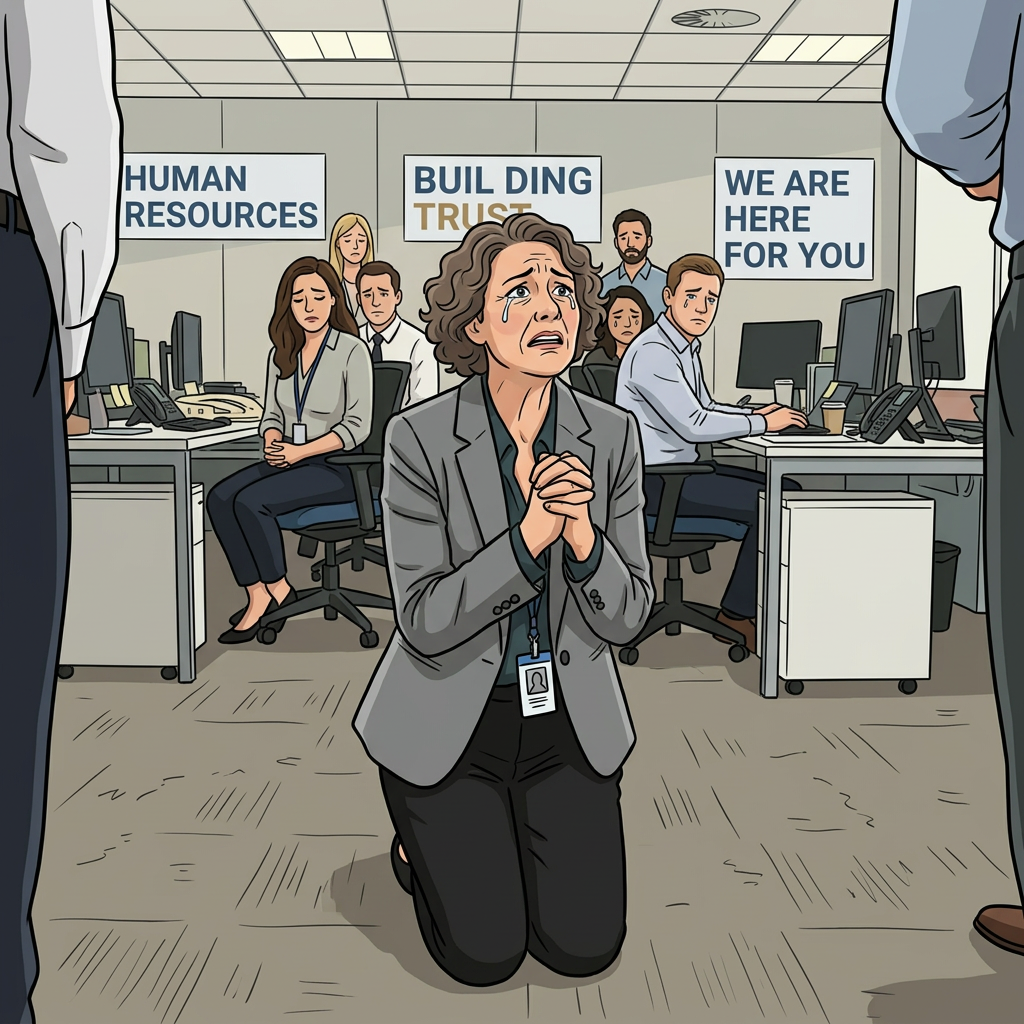
Because some HR teams genuinely pull this off. Employees walk in without their stomach dropping. People actually believe the “safe space” line instead of mentally adding air quotes. It happens. Rare, like a parking spot right by the entrance, but it happens.
Here’s what separates it from the beige-conference-room stereotype.
Good HR Says the Quiet Part Out Loud
Bad HR pretends there’s no tension between “protecting the company” and “protecting you.” Good HR just… admits it. Something like “I work for the company, and my job is to handle this fairly and by the book” is infinitely more trustworthy than a warm smile and a vague promise of allyship you both know isn’t fully true.
The twist: trust isn’t built by pretending to be on your side unconditionally. It’s built by being honest about whose side you’re on, so nobody gets blindsided later. Weirdly, admitting the limits of the relationship is what makes people believe the parts that are genuine.
Good HR Shows Up on a Random Tuesday
We already covered this: HR usually only appears when something’s wrong — hiring, firing, investigating, or narrating a cybersecurity slideshow nobody asked for. Good HR breaks that pattern. They check in when nothing is on fire. They ask questions before there’s a complaint to respond to.
This is cheap to do and shockingly rare, which is exactly why it works. Showing up when it’s optional says more than any all-hands “we care about our people” speech ever could.
Good HR Closes the Loop
Here’s a trust killer nobody talks about enough: the feedback that vanishes into the void. Someone raises a concern, HR nods gravely, takes notes on a legal pad, and then… nothing. No update. No “here’s what changed.” No “here’s why nothing changed.” Just silence, and a vague sense that you screamed into a filing cabinet.
Good HR closes the loop. Even if the answer is “we looked into this and can’t share details, but here’s what we can tell you” — that’s still infinitely better than the void. Silence doesn’t feel neutral. It feels like confirmation that nothing you say matters.

Good HR Uses Plain English
Remember the magnificently hollow corporate-speak from last time? “We value your feedback.” “Our people are our greatest asset.” Good HR retires this dialect entirely. They say things like “this policy exists because of a lawsuit in 2019” instead of “we’re committed to fostering a culture of accountability.” One of these sentences respects your intelligence. Guess which.
The Actual Twist: Trust Isn’t Earned by Being Liked
Here’s the uncomfortable plot twist. The HR teams people trust most aren’t the ones throwing the best pizza parties or running the most enthusiastic Slack channel. They’re the ones who are predictable. You know how they’ll handle a situation before it happens, because they’ve been consistent, transparent about their constraints, and boring in the best possible way — no surprises, no spin, no disappearing acts.
Turns out, employees don’t actually need HR to be their best friend. They need HR to be reliable. Ironically, the department that spends so much energy trying to seem warm and human would build more trust just by being predictably, unglamorously straight with people.
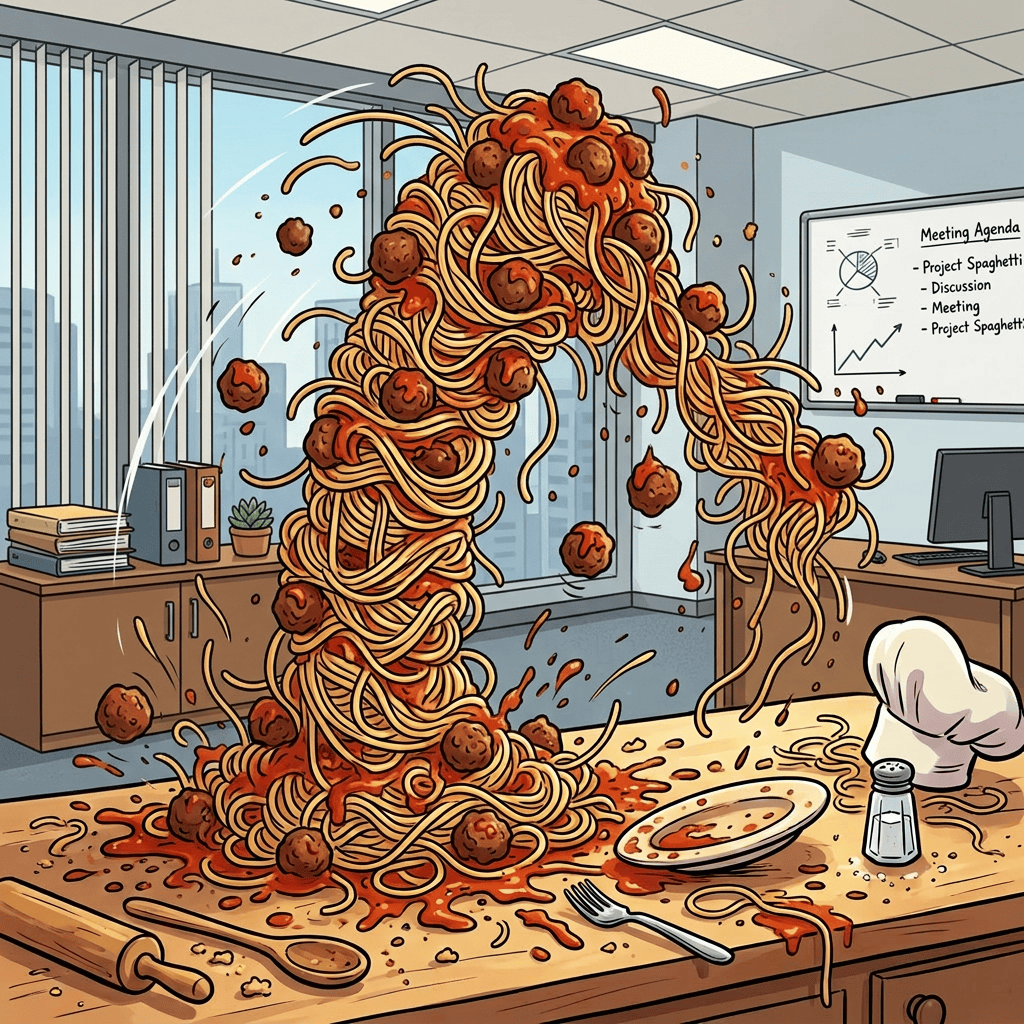
Which means the real secret to good HR isn’t a better mission statement. It’s just… doing what you said you’d do, saying what you actually mean, and skipping the spaghetti tower.
Revolutionary, we know.

Becky Johnson is not a legal advisor. She is an about to be retiree. She holds a Masters in Business in Human Resources, provides educational courses on Human Resources and has over 28 years investigating claims of civil rights.
Next up: The Workplace: The Real Reason We Work from Home


Leave a comment