

Editor note: The last episode stated the next episode was a dive into micromanagement- I have decided to save that for another series. Our focus goes back to The 8 Toxic Workplace Issues.
SERIES II: Toxic Workplace Woes
Episode 5: Conflict that Never Actually Gets Resolved
The Landmine Nobody Defuses
Nobody in this office is walking on eggshells. Eggshells, at least, don’t detonate.
By: Becky Johnson, Consultant
Every office has one: the disagreement from eight months ago that was never actually resolved, just quietly buried under a group project and a change in seating charts. Nobody apologized. Nobody clarified. The two people involved just started cc’ing each other more and volunteering for different meetings. The conflict didn’t go away — it went underground, and everyone else on the team learned, without ever being told directly, exactly where not to step.
This is what happens when workplaces treat conflict like something to survive instead of something to resolve. The disagreement gets buried, not defused. And a buried disagreement doesn’t decompose quietly — it just waits.
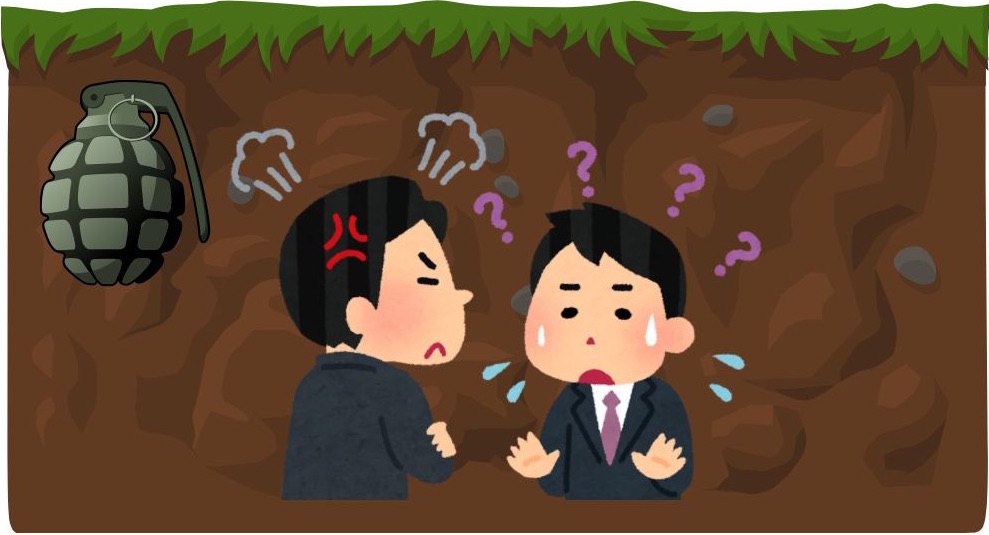
A Field Full of Them
This is not a rare office hazard. iHire’s 2026 Toxic Workplace Trends Report found that 41.0% of employees say conflict “always” or “often” goes unresolved at their job. That’s not the occasional disagreement left hanging — that’s two out of five workplaces where unresolved conflict is simply the ambient condition, like humidity.

It gets worse once someone actually tries to report it. Among employees who did raise a concern, 51.4% said the issue was never addressed or resolved at all. And that’s assuming they reported it in the first place — 38.8% of employees who witnessed toxic behavior said they never reported it, with 45.1% doubting HR or leadership would act on it, and 35.9% citing fear of retaliation. The minefield isn’t an accident. It’s what you get when the people responsible for clearing it have a track record of not showing up with a metal detector.
Why Nobody Reaches for the Detector
It’s worth asking the obvious question: if everyone can feel the minefield, why does nobody actually clear it? The honest answer isn’t laziness — it’s that defusing a landmine requires stepping directly next to it, and most people, managers very much included, would rather quietly reroute the path.
Research into why managers specifically avoid these conversations found two dominant barriers: 63% say simple nervousness makes it harder to initiate a difficult conversation, and 74% say it’s harder to address an issue when they’ve behaved similarly themselves — which rules out an enormous share of potential conversations the moment a manager has ever once been late, short-tempered, or disorganized. Add those together and you get a manager who knows exactly where the mine is buried and has several perfectly human reasons not to walk over there.
This is rarely a one-time decision, either — it’s a slow accumulation of “not today.” 34% of people say they’ve postponed a difficult conversation for a month or more, and 25% say they’ve put one off for a year or longer. That’s not avoidance as a single choice; that’s avoidance as a maintained habit, and every additional week it goes unaddressed makes the eventual conversation feel bigger and more dangerous than it actually is.
The math nobody runs: the conversation that takes fifteen uncomfortable minutes today somehow becomes a forty-five minute conversation, three CC’d witnesses, and a formal HR file if you just wait long enough.
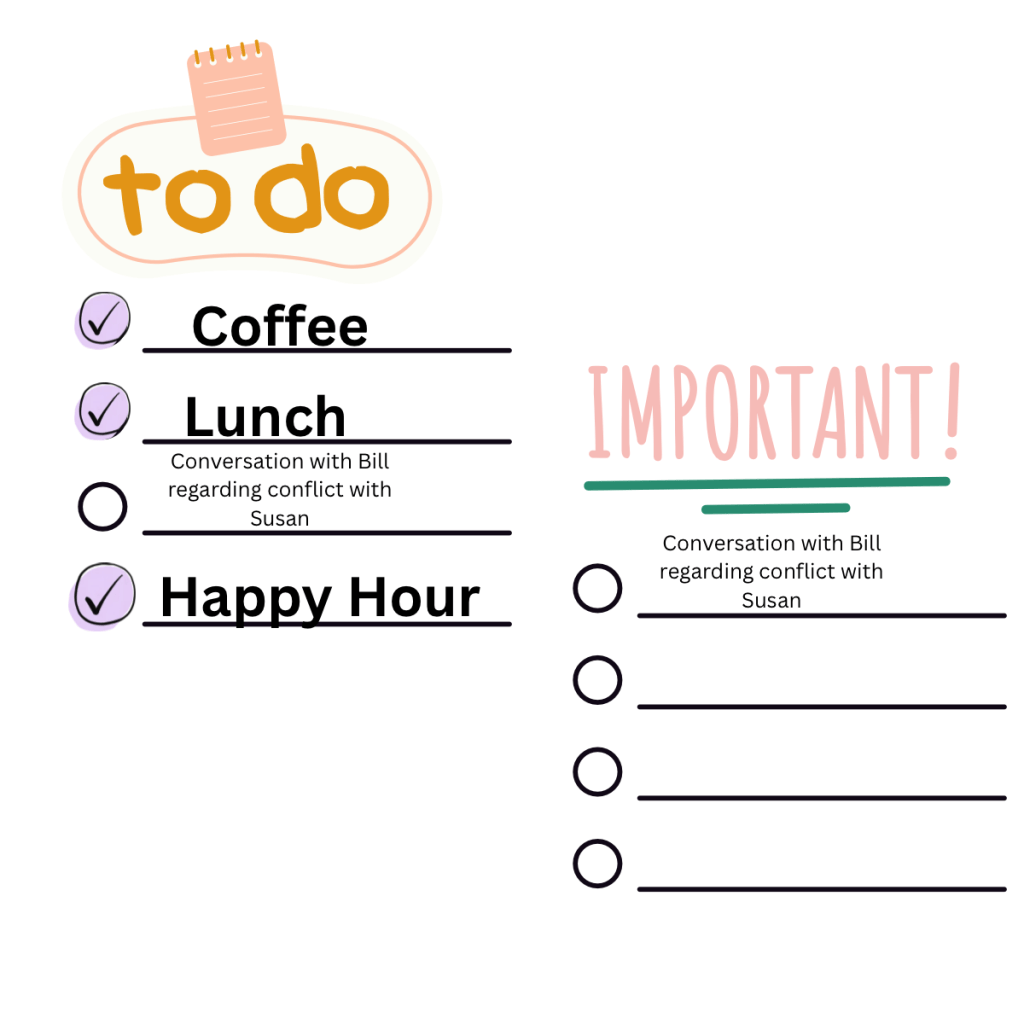
And this isn’t only a matter of individual willpower — it’s cultural, and it travels downhill. When senior leaders model conflict avoidance, the managers underneath them tend to mirror it, which is a tidy explanation for why an entire organization can develop the exact same blind spot at every level simultaneously. Researchers have even put a number on the price of each skipped conversation: roughly $7,500 and seven lost workdays per avoided conversation, once the downstream cost of confusion, resentment, and delayed accountability gets tallied up. Avoidance feels free in the moment. It rarely stays that way.
The Mines Get Buried, Not Defused
Here’s the thing about a workplace that avoids conflict instead of resolving it: the conflict doesn’t disappear, it just changes shape. iHire’s 2025 survey asked employees what hostile behavior actually looked like day to day, and the runaway top answer — at 76.3% — was passive-aggressive behavior: the pointed Slack message, the meeting invite that pointedly excludes one person, the “per my last email” that could strip paint.
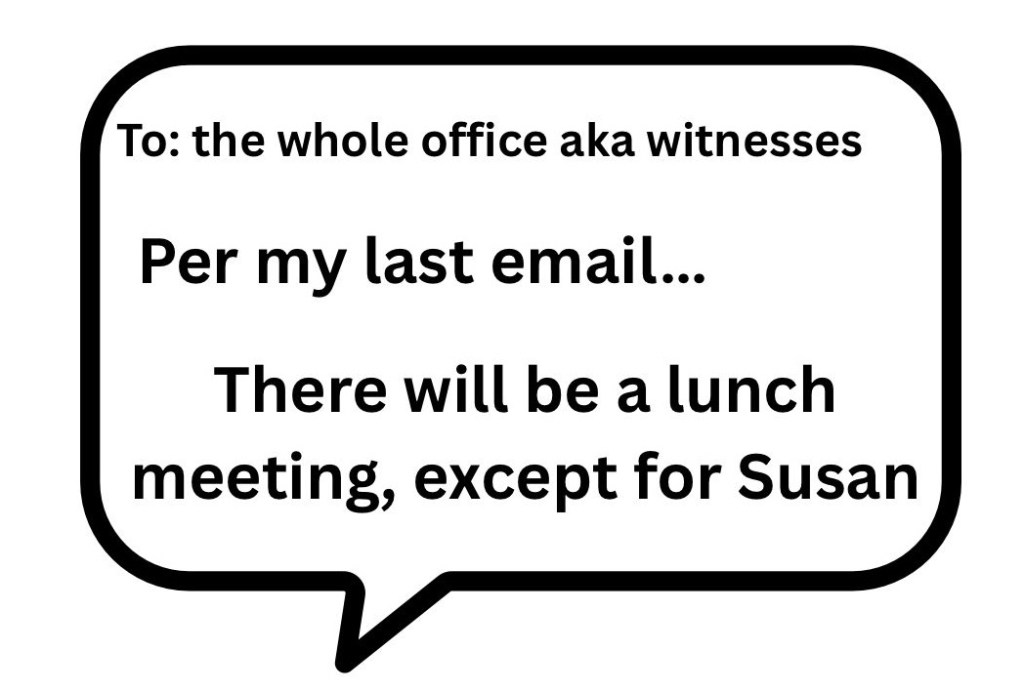
Nobody has said an unkind word out loud in this office in three years. The group chat, meanwhile, reads like a hostage negotiation.
This isn’t a coincidence — it’s what happens when there’s nowhere to put a real disagreement. 55.7% of employees said their organization’s ineffective conflict-resolution mechanisms directly contributed to a hostile work environment. Without a real process for surfacing and settling disagreements, people don’t stop having them. They just stop having them out loud, and start having them sideways, indefinitely, in front of everyone.
What Stepping On One Actually Costs
Unresolved conflict isn’t a soft, feelings-only problem — it has a number attached, and the number is large. A widely cited CPP Inc. study found that U.S. employees spend an average of 2.8 hours per week dealing with workplace conflict, adding up to roughly $359 billion annually in lost productivity across the country. That’s not conflict happening — that’s conflict happening badly, on repeat, without resolution.
The same research found that 33% of employees said workplace conflict had led to a personal attack, and 22% said it had led to illness or absence from work. And here’s the gap that explains why so much of this goes unaddressed: 31% of managers rated themselves as skilled at handling conflict, while only 22% of their employees agreed. Meanwhile, just 44% of employees said they’d ever received any training in how to handle conflict at work — which means most people are being asked to safely cross a minefield they were never issued a map for.
Clearing the Field
None of this requires a mandatory trust fall or a facilitator with a talking stick. It requires:
- A real process, not a vague open-door policy — employees need to know exactly where a concern goes, who owns it, and what happens next, not just an invitation to “reach out anytime.”
- Training that actually exists — with only 44% of employees ever trained in conflict resolution, most disagreements are being handled entirely on instinct.
- Closing the loop, every time — 51.4% of reported issues going nowhere is a trust problem as much as a conflict problem; a resolved outcome, communicated back, is what makes people report the next one.
- Addressing it while it’s small — a five-minute conversation early is cheaper, in every sense, than the 2.8-hours-a-week version that shows up once it’s calcified.
- Actually training managers, not just employees — with a 9-point gap between how skilled managers think they are at conflict and how skilled their teams think they are, the confidence isn’t the problem. The skill is.
Conflict itself isn’t the toxic trait — disagreement is normal, even healthy, in any team doing real work. What’s toxic is the field of undefused ones left lying around because nobody wanted to be the one to deal with them. Eventually, someone always steps on one. It’s rarely the person who buried it.
Data sourced from iHire’s 2025 and 2026 Toxic Workplace Trends Reports, CPP Inc.’s Workplace Conflict and How Businesses Can Harness It to Thrive study, and Atana’s research on avoided workplace conversations (2024–2026).

Becky Johnson is not a legal advisor. She is an about to be retiree. She holds a Masters in Business in Human Resources, provides educational courses on Human Resources and has over 28 years investigating claims of civil rights.
Up next: The Wellness Mirage (looks real from a distance, disappears up close) Do Employers Really Care About Mental Health


Leave a comment