Episode 1: 8 Workplace Traits That Are Quietly Ruining Everything (While HR Sends Another Survey)
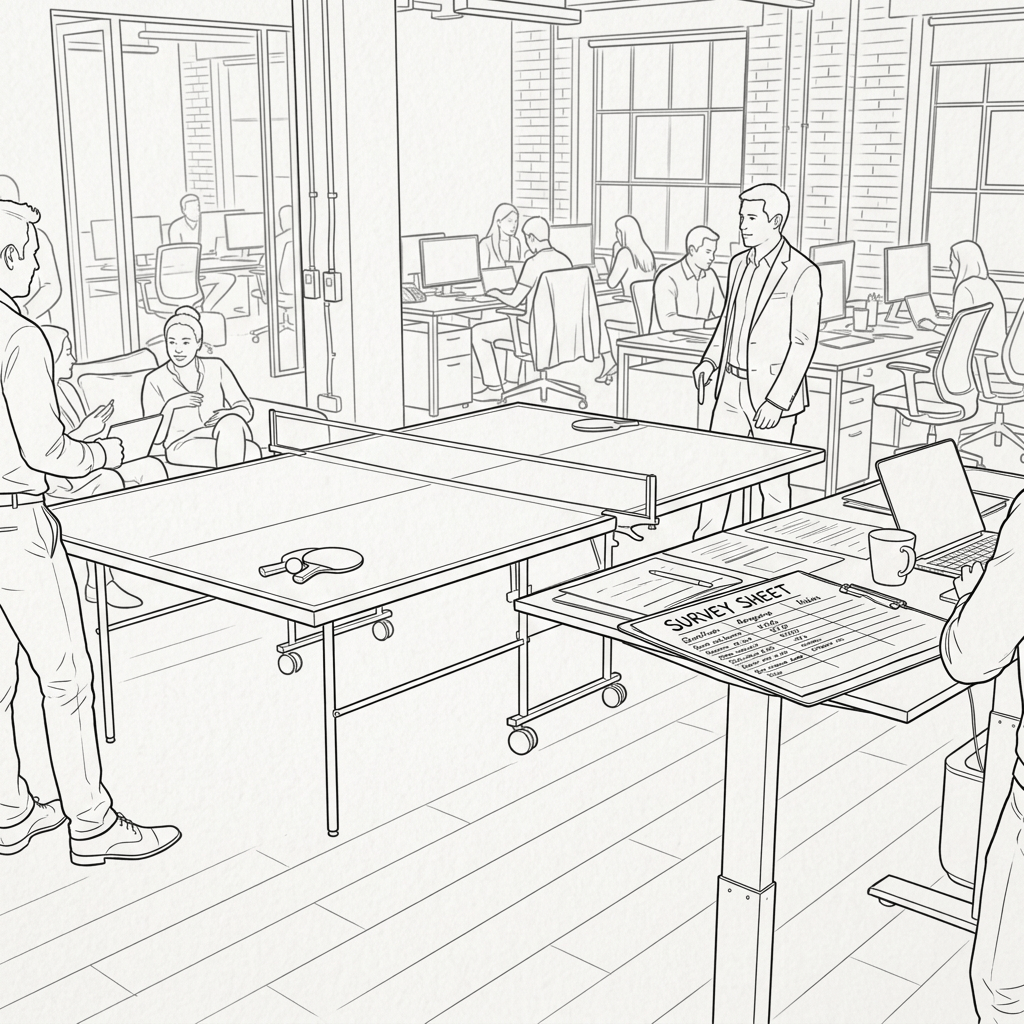
Spoiler: it’s not the lack of a ping-pong table.
By: Becky Johnson, Consultant
Somewhere between “we’re a family here” and the fourth reorg of the year, a lot of workplaces developed some genuinely bad habits — the kind no team-building retreat with trust falls is going to fix. And the data backs it up: nearly 7 in 10 U.S. workers say they’ve been employed somewhere they’d flat-out call toxic, according to iHire’s 2026 Toxic Workplace Trends Report. That’s not a “difficult manager” problem. That’s a “maybe check the building for mold, or better yet, check the leadership team” problem.
So grab your lukewarm break-room coffee and let’s run through the greatest hits — the traits that turn a perfectly good job into a source of low-grade, ambient dread you can’t quite name but absolutely feel in your shoulders by 3pm.
Trait #1: Leadership That’s Unaccountable (But Very Confident)
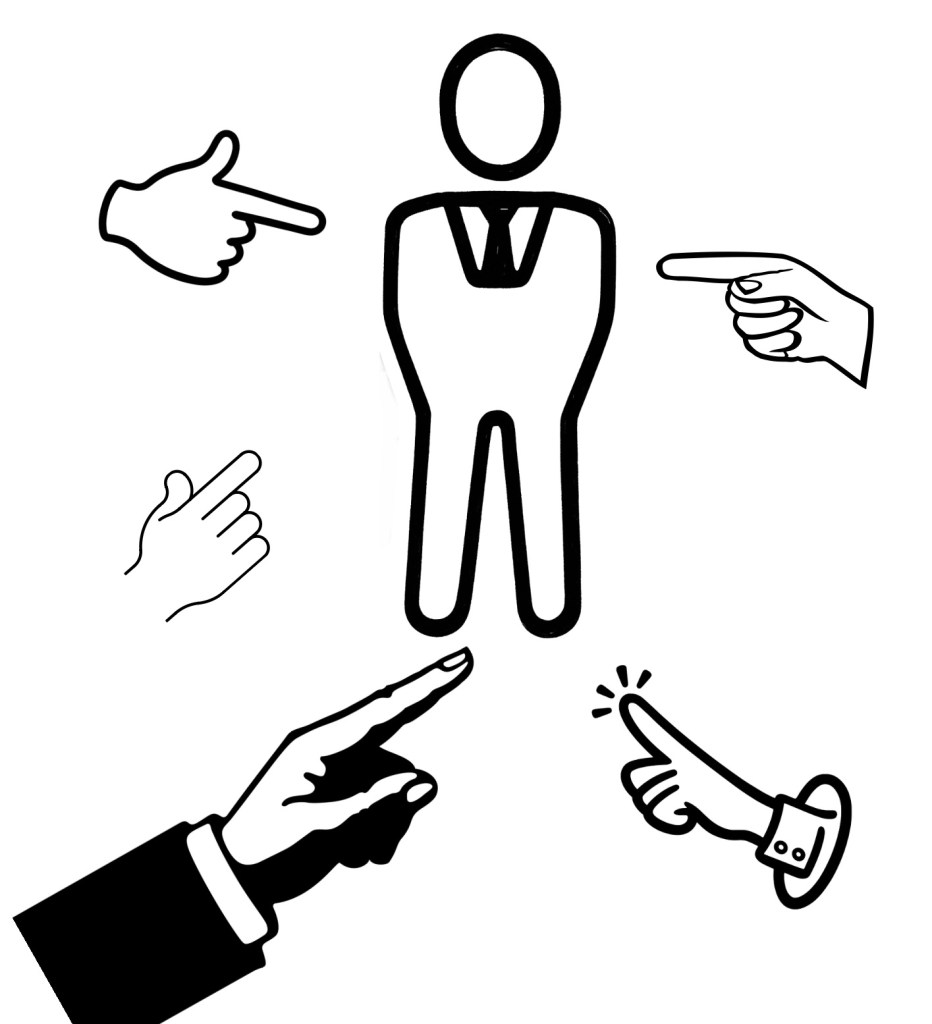
Nearly 8 in 10 employees who experienced a toxic workplace pointed the finger squarely at unethical, unaccountable, or unsupportive leadership — the top complaint two years running, like a bad sitcom that somehow got renewed. Add in that over a third say leadership communicates ineffectively, and you’ve got a recipe for a company where the org chart says “leader” and the lived experience says “guy who forwards emails with ‘per my last message.’”
The irony: leadership is also burning out — around 6 in 10 senior women report frequent burnout — which means the people least equipped to model calm, consistent behavior are often the ones setting the tone for everyone else. It’s exhaustion, trickling downhill, like a waterfall nobody asked for and everybody’s standing under.
Trait #2: A Culture Built on Gossip and Favoritism
Nearly 7 in 10 workers cite unfair treatment, favoritism, discrimination, and general inequity as major drivers of toxicity, and almost two-thirds point to a culture of gossip, fear, blame, and poor collaboration. Translation: the real org chart isn’t the one in the employee handbook, it’s the invisible one that determines who gets invited to the “quick sync” that somehow decides everyone’s Q3 priorities, and who finds out about it via a screenshot three days later.
This is the workplace equivalent of high school, except now it comes with a 401(k) match, considerably higher stakes, and nobody’s mom is going to call to sort it out.
Trait #3: The Void Where Recognition Should Be
Two-thirds of workers cite a lack of support, recognition, and professional development as a major source of toxicity. Nothing says “we value you” quite like radio silence after you hit every deadline for a quarter straight, followed immediately by a company-wide email celebrating “Q3 Culture Wins” that features a stock photo of people who do not work there, high-fiving over something that is not your work.
You will, however, get an email accompanied by a GIF from your manager. That’s the recognition budget. That’s the whole line item.

Trait #4: Conflict That Never Actually Gets Resolved
Here’s a fun one: 4 in 10 workers say conflict at their company always or often goes unaddressed. And when people do try to report toxic behavior, nearly 4 in 10 don’t bother — mostly because they don’t trust HR or leadership to actually do anything about it, which, respectfully, they have earned. Even among those brave enough to speak up, over half said the issue was never resolved. It just… evaporates, like it was filed directly into a drawer marked “later,” which is HR’s word for “never.”
So the system works exactly as designed: everyone quietly logs the grievance in their personal mental spreadsheet, and nothing changes until someone finally rage-quits and the exit interview becomes the first honest conversation anyone’s had in eighteen months.
Trait #5: “We Care About Mental Health” (Narrator: They Did Not)

Roughly 9 in 10 employees say their employer isn’t doing enough to support their mental health — a number that’s been climbing, not shrinking, despite the sudden proliferation of wellness Slack channels that exist mainly to remind you the gym discount code expired. Meanwhile, over 4 in 10 workers say they always or often feel burned out on the job, and nearly a third admit to crying at work because of how bad things got. In a supply closet. With admirable composure. Then straight back into a stand-up meeting.
The mismatch here is almost impressive: awareness of the problem has never been higher, and outcomes have never been worse. Somewhere, a corporate wellness webinar titled “Finding Your Calm” is being scheduled for 4:45pm on a Friday, and nobody in HR sees the irony.
Trait #6: Pretending Pay Fixes Culture
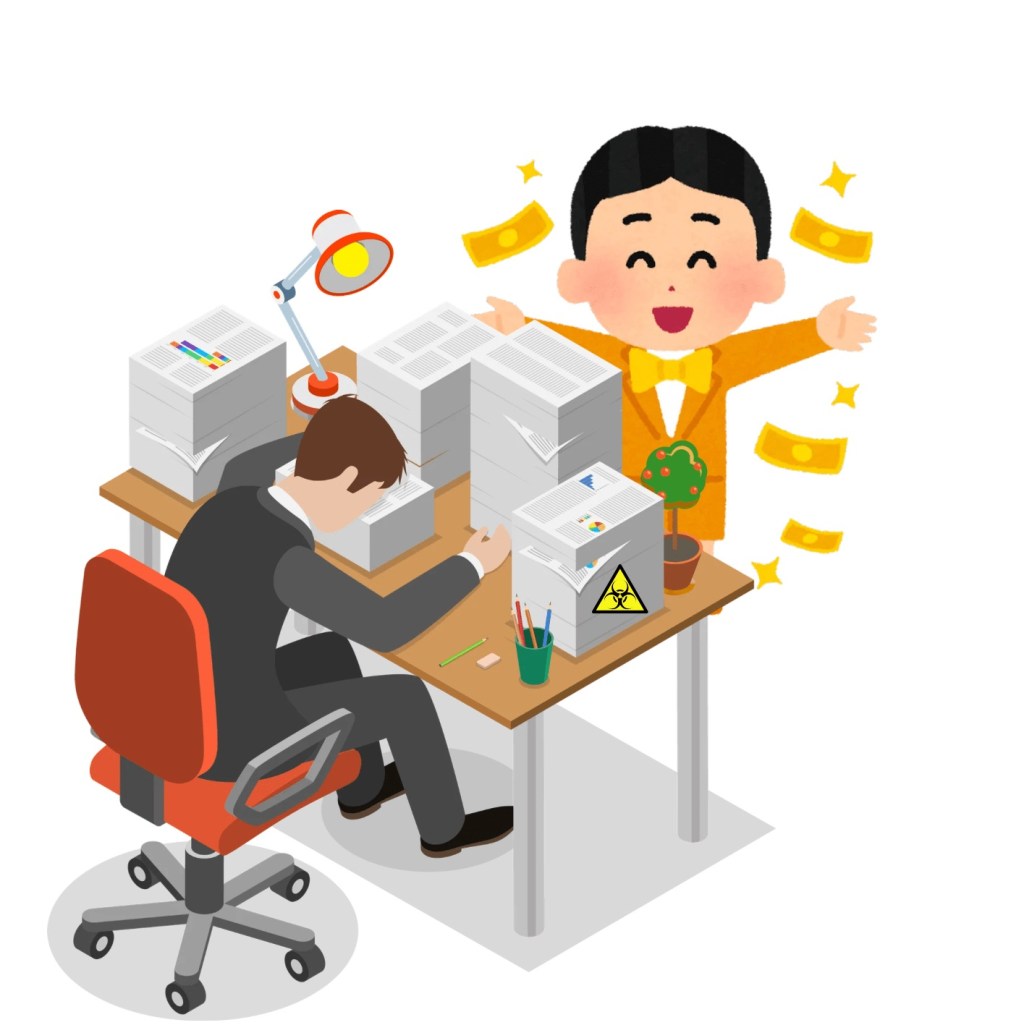
Toxic culture is roughly 10 times more predictive of someone quitting than their salary. People will put up with a lot — long commutes, modest raises, imperfect perks, a chair that squeaks — but disrespect and chronic stress will push them out the door regardless of what’s on the paycheck. Culture-related turnover alone has cost American businesses over $220 billion, which is a genuinely wild amount of money to lose because nobody wanted to have an uncomfortable conversation.
Which makes it all the stranger that the go-to fix for a bad culture is so often “let’s throw a retention bonus at it,” as if the problem was ever a math problem and not a “my manager screamed at me in front of the whole team” problem.
Trait #7: The Reputation Damage Nobody Budgets
Toxicity doesn’t stay contained. Over 6 in 10 people who’ve experienced a toxic workplace tell others about it, and more than a quarter have actively warned candidates away from a company — usually in the group chat, usually with more detail than the exit interview ever got. In an era of Glassdoor reviews and increasingly specific LinkedIn subtweets, a bad internal culture becomes a very public one, fast — no PR team required, though you can be sure one is now scrambling.
Trait #8: Using AI as a Substitute for Actual Leadership
AI is creeping into workplace culture conversations, but the jury’s still out on whether it’s helping. Nearly half of workers are neutral or unsure about its impact on culture, and without deliberate guardrails, AI adoption can quietly amplify existing toxic patterns — more surveillance, murkier expectations, more performance pressure, and a new and exciting way for a bad manager to say “the algorithm flagged it” instead of just talking to you like a person. It’s a tool, not a personality transplant for your management team, and no, the chatbot cannot attend the difficult conversation for them, however much everyone involved might wish it could.
So What Actually Fixes This?
The uncomfortable truth is, none of this requires a new app, a bigger wellness budget, or a keynote speaker who used to play in the NBA. It requires:
Leadership accountability — actual consequences when leaders behave badly, not just a values poster in the break room
Real conflict resolution — systems where issues get addressed, not just logged and forgotten
Recognition that’s consistent, not just reserved for the annual awards email
Psychological safety — where flagging a problem doesn’t feel like a career risk
Treating culture as strategy, not decoration — because employees have made it clear they’ll walk away from money before they’ll tolerate disrespect
None of this is complicated. It’s just harder than sending a survey — and considerably less fun than picking out branded stress balls, but here we are.

Data sourced from iHire’s 2026 Toxic Workplace Trends Report, SHRM, Workhuman, Edstellar, and McKinsey/LeanIn.org (2025–2026).
NEXT UP: A closer look at the unaccountable leader.


Leave a comment