Episode 2: The Trait Employees Blame the Most
Accountability Theater: Why Leadership Keeps Missing Its Own Cue
By: Becky Johnson, Consultant
Every “8 worst workplace traits” list has a clear winner, and it’s not close. Nearly 8 in 10 employees who’ve experienced a toxic workplace point straight at unethical, unaccountable, or unsupportive leadership — the top complaint two years running, like a bad sitcom that somehow got renewed. Poor communication from the top (72.1%) comes in a close second, which tracks, because those two problems are basically co-stars who never learned their lines.
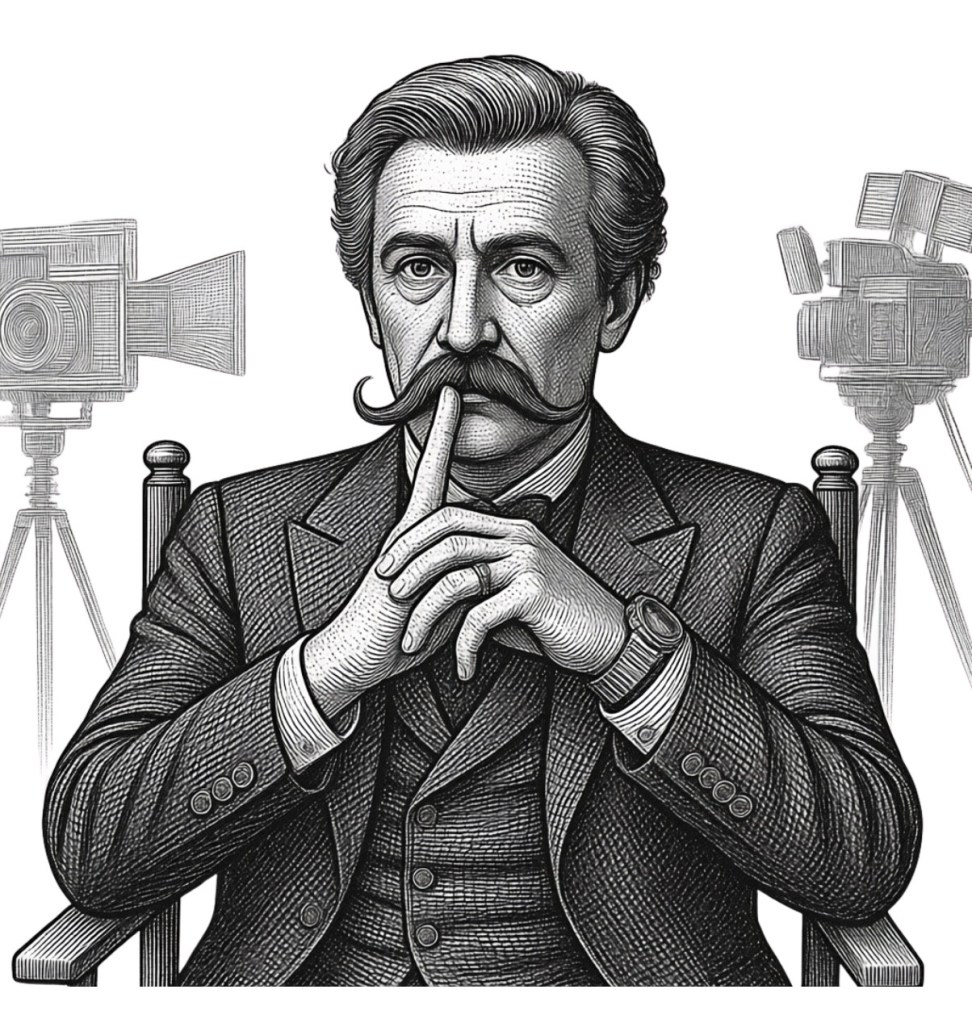
Let’s talk about what “unaccountable” actually looks like in practice, because it’s rarely a villain twirling a mustache. It’s quieter than that. It’s a performance — leadership hitting its marks, saying the right words in the town hall, and then walking offstage the second the lights come up and nobody’s actually watching. Call it accountability theater: all the staging of responsibility, none of the actual plot.
Rehearsing the Wrong Scene
Here’s a genuinely funny detail: when Gallup asked leaders to rate themselves across seven core leadership competencies, the one they rated themselves worst on — by their own admission — was creating accountability. Fewer than half of leaders consider themselves highly effective at it. And when Gallup asked managers to rate the leaders above them, the scores dropped even lower. Truly a rare case of “everyone in this office agrees on something,” and the something is “leadership isn’t great at this.”
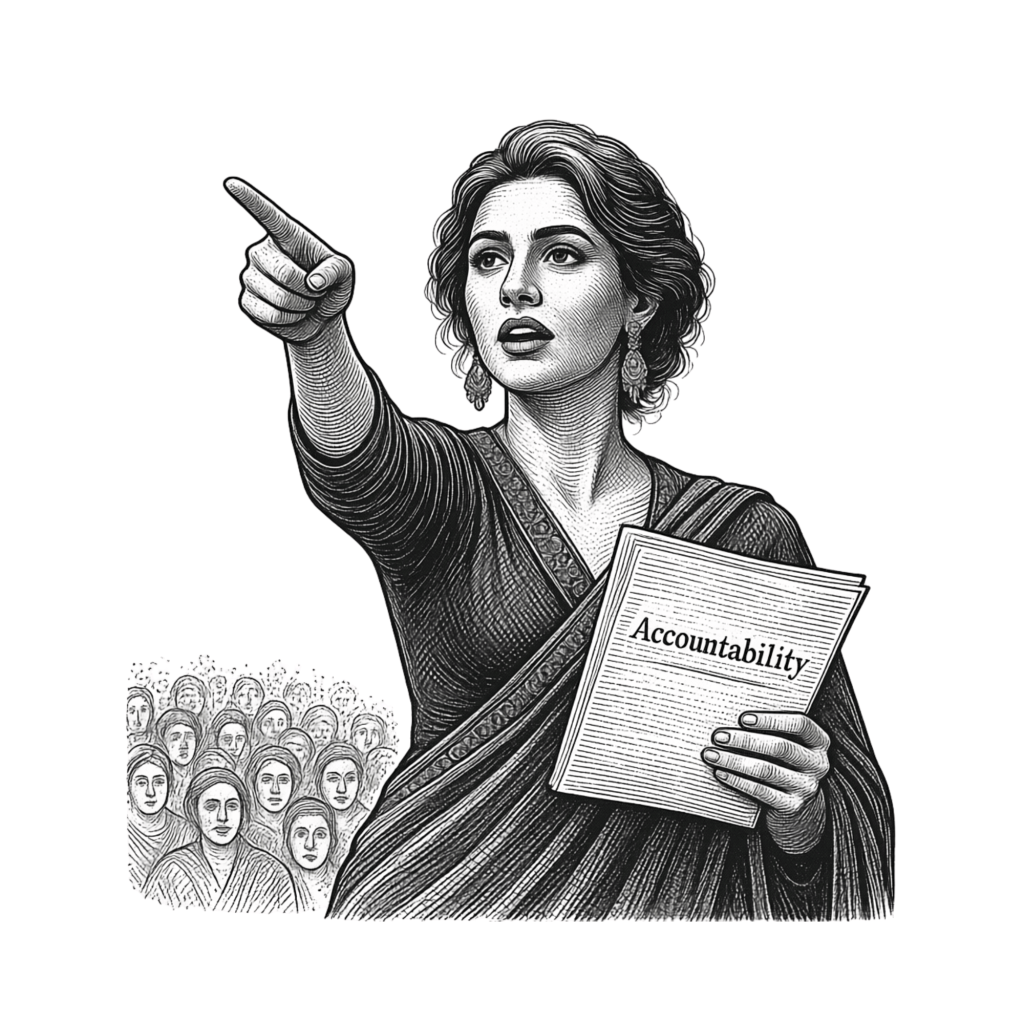
Here’s the punchline, though: that self-rated failure was about holding employees accountable — not about holding themselves accountable for their own actions. Leaders read the script, found the line about accountability, and delivered it facing the wrong direction — pointed at the audience, never at themselves. A masterclass in checking the box while missing the point entirely.
The Script Nobody Follows
It rarely shows up as one dramatic failure. It shows up as a pattern:
• Decisions get made with no visible reasoning, and no one asks for one
• Mistakes get quietly reassigned to whoever’s most junior in the room
• Promises made in an all-hands meeting evaporate by the next quarter
• Feedback flows one direction: down
Only about 17% of workers say their managers “rarely or never” model respectful, professional behavior — which sounds small until you remember that’s roughly 1 in 6 managers operating with essentially no floor on their conduct, and apparently no director offstage calling for another take. One in six! That’s not a rogue outlier, that’s a whole seating section.
When the Performance Turns Into a Crime Scene
There’s a meaningful difference between a leader who’s disorganized and a leader who’s doing something genuinely wrong — and the data suggests the second problem is more common than most companies want to admit. Nearly a third of employees say they’ve personally witnessed illegal or unethical activity at work. That’s not “my boss takes credit for my ideas.” That’s a real category of misconduct, sitting quietly inside the same “unaccountable leadership” bucket as poor communication and missed deadlines, as if it’s the same tier of problem. It isn’t, and lumping them together is a little like reviewing a play for “uneven pacing” when the real issue is that someone in the cast is embezzling the box office.
Worth being precise here: unethical doesn’t automatically mean illegal. Unethical leadership can look like dishonesty, corruption, or plain old moral shortcutting — leaders prioritizing their own gain over the wellbeing of employees, stakeholders, and the organization, usually through manipulation, exploitation, or a conveniently selective relationship with transparency. It’s the corporate version of “technically I never lied,” delivered with the same straight-faced conviction as a soap opera villain explaining away the evidence.
And here’s where it gets uglier: 1 in 4 employees has witnessed retaliation against someone who reported misconduct. Not just “nothing happened” — actual retaliation. That single data point does more to explain workplace silence than almost anything else in this research. People aren’t failing to report unethical behavior because they don’t notice it. They’re calculating, correctly, that reporting it might cost them more than staying quiet does. It’s not a courage problem. It’s a spreadsheet problem, and the math isn’t in their favor.
Why the Audience Stays Quiet
This is the part that makes unaccountable leadership self-sustaining. Among employees who’ve witnessed toxic behavior, nearly 4 in 10 never reported it. Of those, almost half said it was because they didn’t believe HR or leadership would actually do anything — and over a third feared retaliation if they tried.
Even the employees who do speak up mostly lose: more than half said their reported issues were never resolved. And 4 in 10 workers say conflict at their company always or often goes unaddressed, period. Presumably filed in the same drawer as every anonymous engagement survey suggestion since 2019.
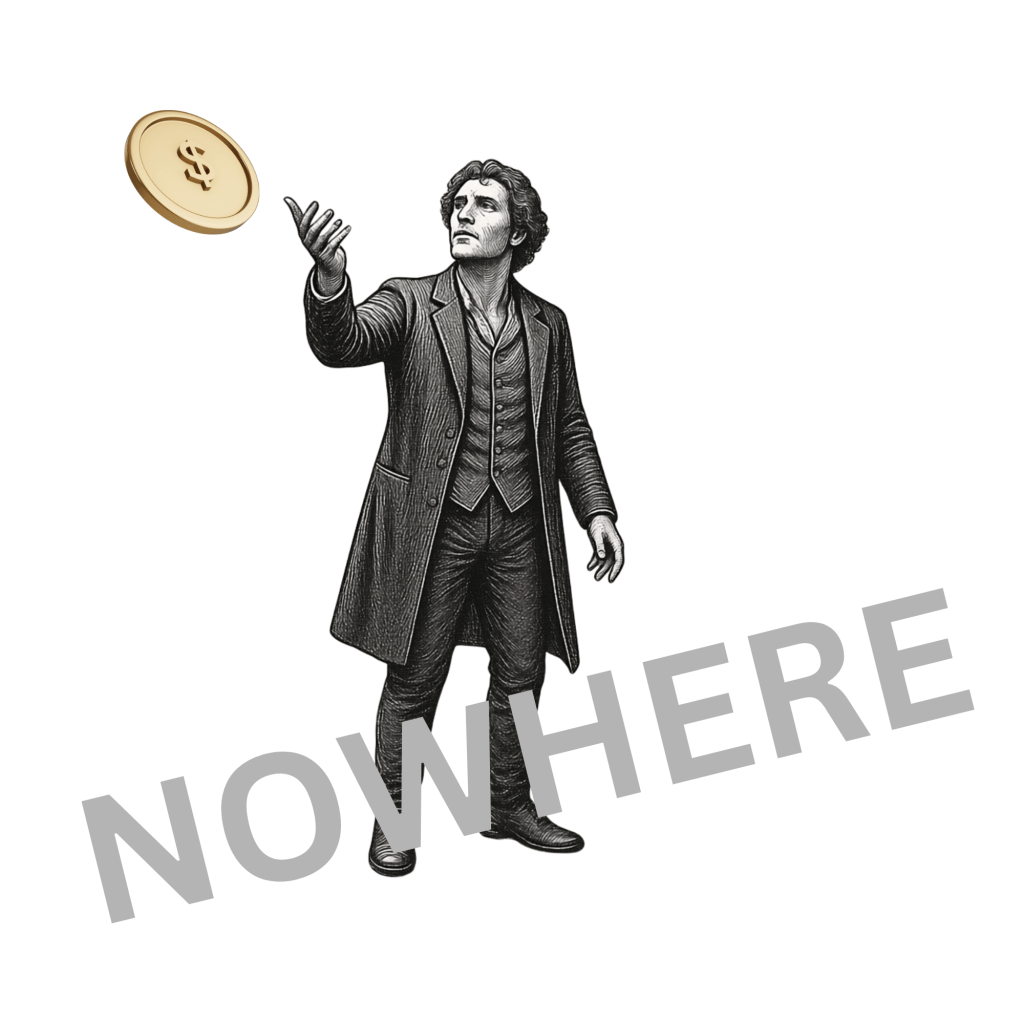
So the incentive structure is basically: report it, and there’s a coin-flip chance it goes nowhere, plus a real chance it comes back to bite you. Don’t report it, and at least you don’t paint a target on your back. It’s not that people don’t care. It’s that the math doesn’t work. Nobody heckles a play when they’ve watched the last person who shouted from the balcony get quietly escorted out.
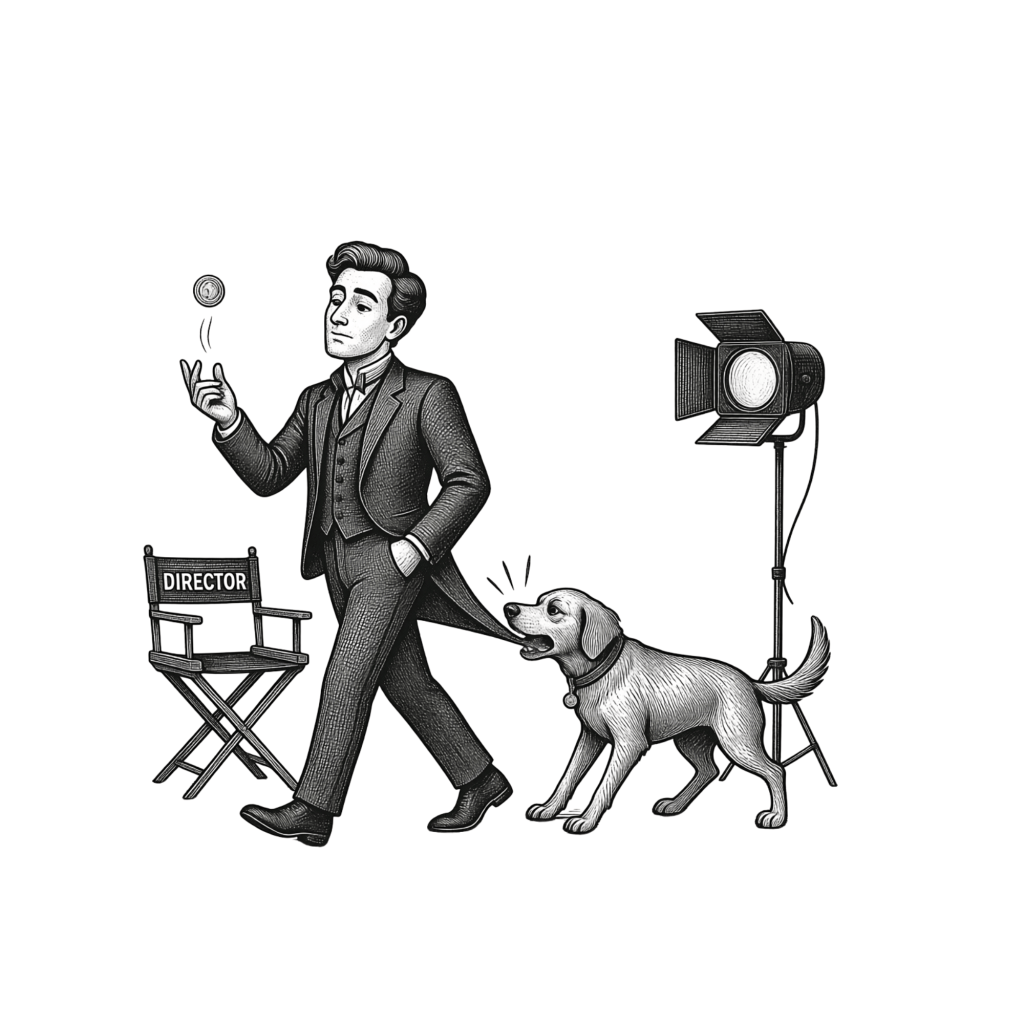
There’s also a perception gap worth sitting with: while less than half of employees describe their workplace atmosphere as positive, over 80% of employers believe their organization fosters a positive environment. That’s not a small miscalibration — that’s leadership watching an entirely different show than the one playing out in front of the employees, which makes it very hard to hold anyone accountable for a problem they genuinely believe doesn’t exist.
The Understudies Learn the Same Bad Lines
Organizational behavior research has a term for what happens next: abusive supervision doesn’t stay contained to the leader-employee relationship. Studies on abusive leadership behavior show it triggers something researchers call “abusive peer behavior” — employees who are mistreated by leadership are more likely to mistreat each other, driven partly by the emotional exhaustion of working under someone unethical. In other words, an unaccountable boss doesn’t just create one bad relationship. They create a script that gets handed sideways, understudy to understudy, until everyone on the team is performing the same bad behavior without ever being told it was optional. And, unfortunately, it becomes the acceptable norm — the house style, the thing new hires learn by watching, not by being told.
There’s also a well-documented institutional reflex worth naming: organizations frequently work to shield a leader’s unethical conduct rather than address it, largely to protect the company’s reputation. Which means the unaccountability isn’t always a personal failing of one bad boss — sometimes it’s actively produced, one non-disclosure agreement or quiet reassignment at a time, like a stage crew working overtime to keep the set from collapsing mid-show.
When the Actors Are Just Tired
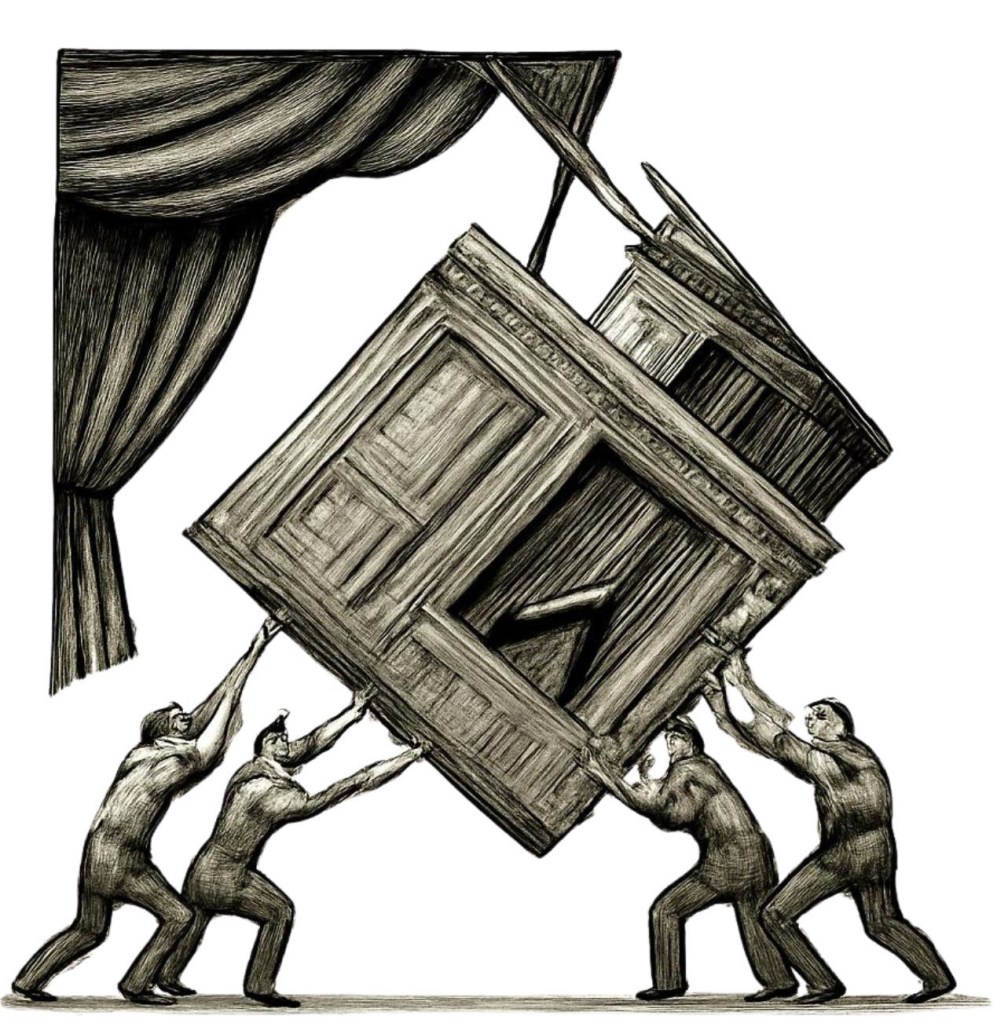
Here’s the part that doesn’t get talked about enough: unaccountable leaders aren’t always cartoonishly bad people. A lot of them are just drowning, and pressured to perform in ways that quietly incentivize cutting corners. Look at the Wells Fargo scandal: employees, scrambling to meet unrealistic sales quotas, ended up opening fraudulent accounts — sometimes using existing customers’ credentials — just to hit numbers leadership had set with no apparent regard for whether they were achievable. Nobody wakes up wanting to commit fraud for a bank. They get backed into it by a script with an impossible stage direction, and a culture that made missing the mark feel scarier than breaking the rules to hit it.
Unethical leadership doesn’t just create isolated bad headlines — it corrodes morale and retention from the inside. It leaves employees disillusioned, frustrated, and running on fumes where motivation used to be. And the leaders themselves aren’t immune: they’re hitting record burnout levels too, with 6 in 10 senior women reporting frequent burnout, often tied to job insecurity and shrinking support. Add in that companies have spent the last couple years flattening management layers, leaving fewer leaders covering more ground — the corporate equivalent of one actor now playing three roles in the same scene, with no costume changes and no understudy in sight.
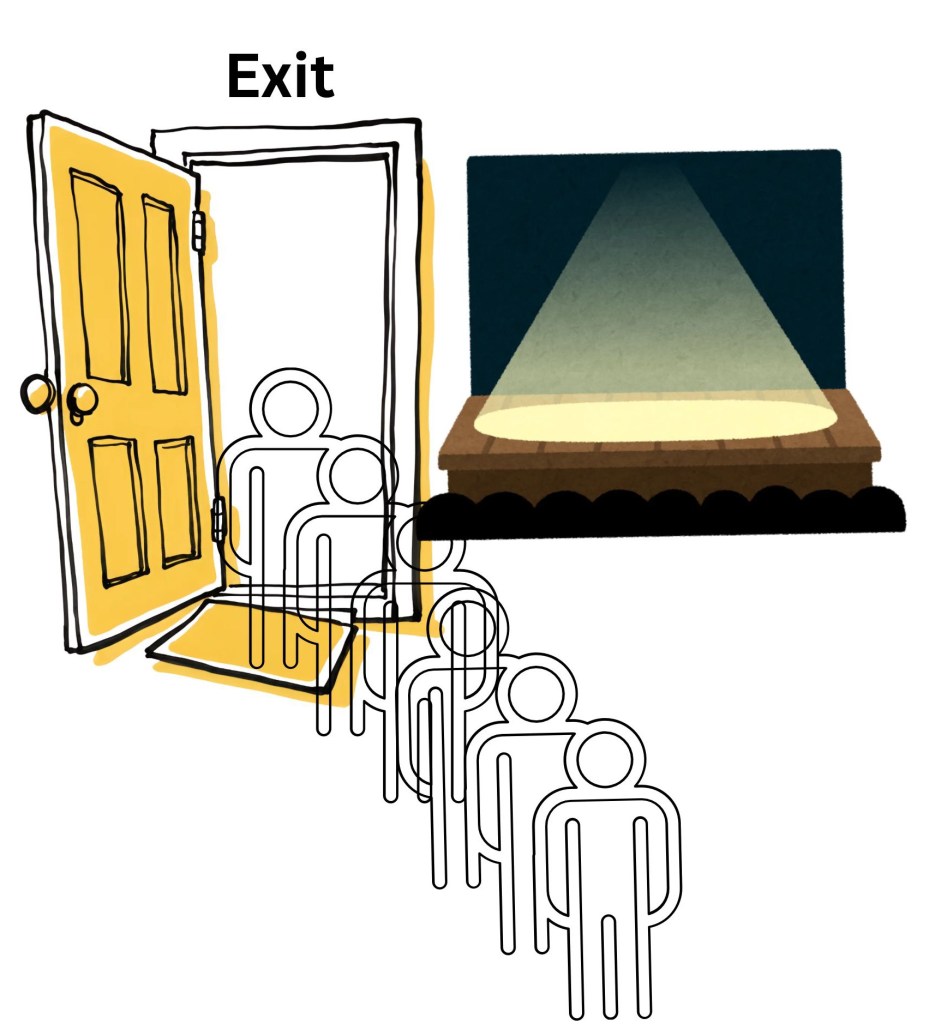
Burned-out leaders are less consistent, less present, and less able to model the accountability expected. So it compounds: burnout produces bad leadership behavior, which produces more burnout downstream, which nobody addresses, because — you guessed it — nobody’s holding anyone accountable for that either. It’s accountability theater with no director, no script supervisor, and an audience that’s started quietly filing toward the exits.
Closing the Curtain on the Performance
The research is fairly unified on this one, and none of it is exotic:
Consequences that are actually consequences — accountability has to apply to leadership, not just flow downhill to individual contributors
Real protection against retaliation — as long as reporting misconduct carries personal risk, the quarter of employees who’ve seen retaliation happen will keep multiplying into silence
Clear expectations and consistent feedback — Gallup ties this directly to accountability scores; vague expectations make accountability impossible to enforce
A functioning reporting process — one where issues get resolved often enough that people actually trust it, instead of the current “51% of reports go nowhere” reality
Manager training that isn’t optional — communication and conflict resolution are the two things employees are asking for most, and they’re trainable skills, not fixed personality traits
Unaccountable leadership isn’t a mystery. Employees can see it, leaders admit to it in surveys, and the research on how to fix it is remarkably consistent. What’s missing isn’t insight — it’s someone actually stepping off the stage and into the role, instead of just reciting the accountability lines and waiting for applause. Preferably before the next Wells Fargo-shaped headline, not after.
Data sourced from iHire’s 2026 Toxic Workplace Trends Report, Gallup, HR Dive, and McKinsey/LeanIn.org (2025–2026).
Becky Johnson is not a legal advisor. She is an about to be retiree. She holds a Masters in Business in Human Resources, provides educational courses on Human Resources and has over 28 years investigating claims of civil rights.
Next up in the series: Favoritism, and why “we treat everyone fairly here” is doing a lot of heavy lifting.
Check out my first series: HR: The Department Everyone Loves to Hate
 By: Becky Johnson
Leave a comment